
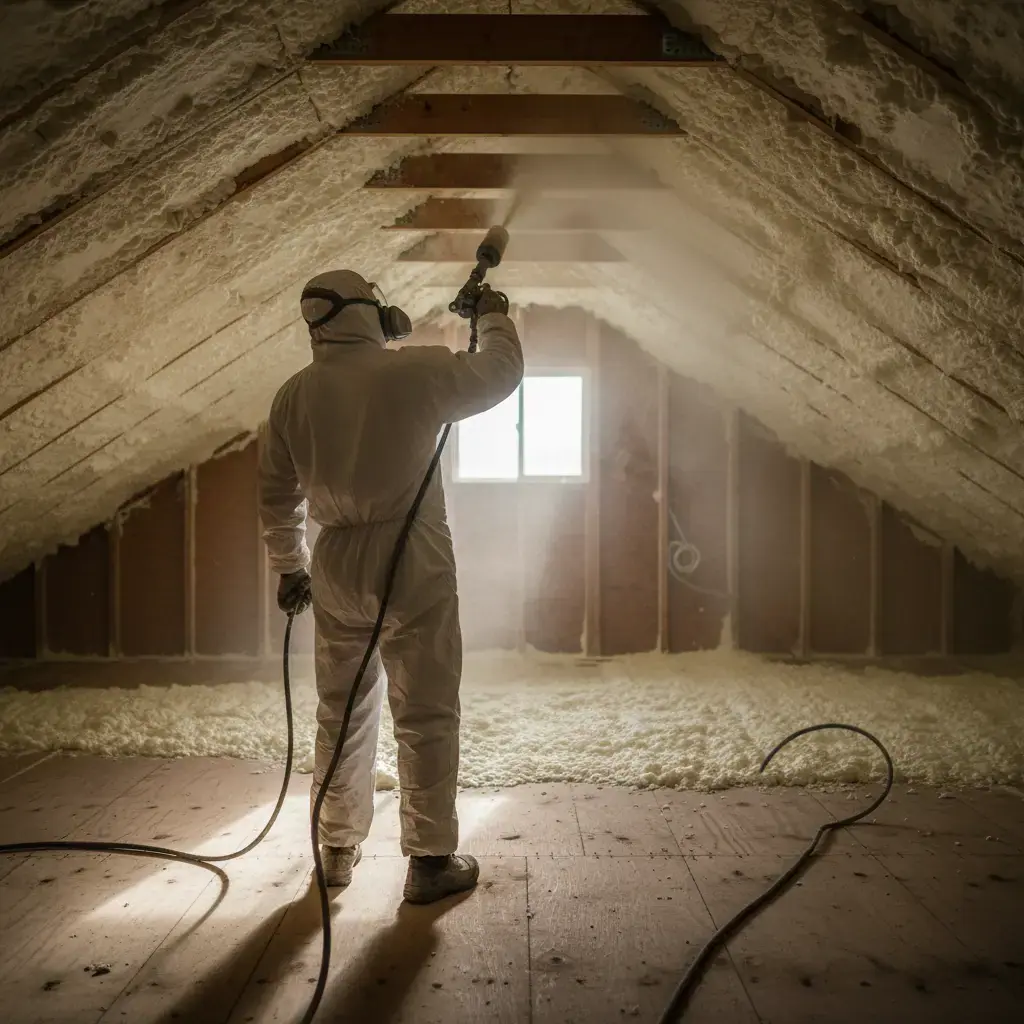
Crawl Space Insulation in Dana Point, CA
Energy-Saving Crawl Space Insulation in Dana Point, CA for Dana Point, CA Homes — Licensed & Insured
Need crawl space insulation in Dana Point, CA? Green Zone Attic Insulation offers expert encapsulation & vapor barrier services. Call 949-749-5633 for a free estimate.
Crawl space insulation is the process of thermally and moisture-sealing the accessible under-floor cavity beneath your home, preventing conditioned air from escaping, blocking ground moisture from rising into your living spaces, and protecting structural wood from the humid marine environment that defines life along the Dana Point coastline.
Dana Point’s position along the Pacific Coast Highway corridor, its marine layer fog that rolls in nearly 200 days per year, and its salt-laden ocean air create a uniquely aggressive environment for crawl space systems. Homes built on hillside lots in Monarch Beach and Lantern Village sit above ground that experiences seasonal moisture swings, while older bungalows near Baby Beach and Doheny State Beach face decades of accumulated vapor intrusion through uninsulated subfloors.
Read moreShow less
At Green Zone Attic Insulation, we specialize in crawl space insulation solutions engineered specifically for Dana Point’s coastal climate. Our team understands the building stock, the soil conditions, and the moisture dynamics unique to this community. Call us today at 949-749-5633 for a free crawl space assessment.
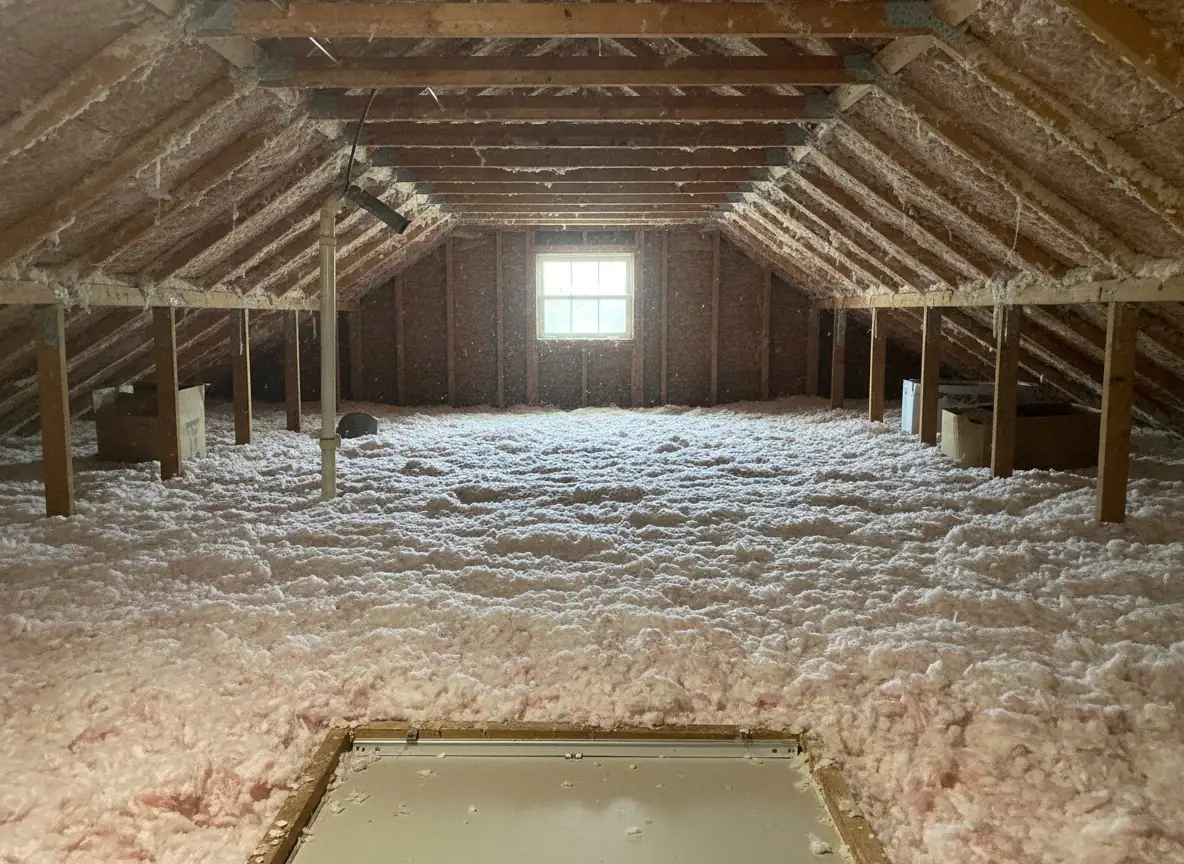
Understanding Crawl Space Insulation
A crawl space is the shallow, unoccupied area beneath a home that sits between the ground and the first floor. Unlike a full basement, crawl spaces typically range from 18 inches to 4 feet in height — just enough room for a technician to access plumbing, electrical wiring, and HVAC ductwork. In Dana Point, crawl spaces are particularly common in homes built between the 1950s and the 1980s, when hillside grading practices and coastal lot configurations made raised-foundation construction the standard approach for much of the residential development that spread northward from the original Dana Point Harbor area.
Crawl space insulation works in two fundamental ways. In a vented crawl space system — the traditional approach — insulation batts are installed between the floor joists above, creating a thermal barrier between the cold or warm ground air below and your living floor above. In an encapsulated crawl space system — increasingly preferred in coastal climates — a heavy-duty vapor barrier lines the ground and walls, the vents are sealed, and the entire cavity is conditioned as part of the home’s thermal envelope. Encapsulation is particularly effective in Dana Point because it addresses both heat loss and the persistent moisture intrusion driven by marine air.
Read moreShow less
The history of crawl space construction in Dana Point reflects California’s broader mid-century residential boom. The development of Monarch Beach Resort in the 1980s, the expansion of Capistrano Beach tracts in the 1960s, and the early coastal cottages of the Lantern District all represent distinct eras of building practice, each with different subfloor assemblies and crawl space configurations. Many of these structures were never properly insulated when originally built, leaving homeowners today dealing with cold floors, elevated heating and cooling costs, and moisture-driven wood rot that has been accumulating silently for decades.
Modern crawl space insulation materials — including rigid foam boards, spray foam, fiberglass batts, and reinforced vapor barriers — are designed to handle the specific challenges of coastal California construction. When properly installed, a well-insulated crawl space can reduce floor-level heat loss by up to 15 percent and dramatically cut moisture-related repair costs over the life of the structure.
Why Crawl Space Insulation Is Needed in Dana Point
Dana Point occupies a narrow coastal shelf between the Santa Ana Mountains to the northeast and the Pacific Ocean to the southwest. This geography creates a microclimate unlike anything found 10 miles inland. The Catalina Eddy — a recirculating marine layer system that climatologists have documented pushing fog banks directly into the Dana Point Harbor basin — means that ground-level moisture in Dana Point is not a seasonal inconvenience but a year-round structural threat. On summer mornings, relative humidity at street level in neighborhoods like Capistrano Beach and the Lantern District regularly exceeds 85 percent before the afternoon sea breeze clears the marine layer. This moisture penetrates crawl space vents, condenses on cold soil and structural wood, and drives the rot and mold cycle that is the leading cause of crawl space deterioration in coastal Southern California.
Read moreShow less
The soils beneath Dana Point homes also play a critical role. The bluffs from Strand Beach northward toward Salt Creek Beach are underlain by Capistrano Formation sediments — a silty, fine-grained marine deposit that retains groundwater exceptionally well. During the wet seasons of 2022–2023, when Southern California experienced back-to-back atmospheric river events between December 2022 and March 2023, many Dana Point homeowners discovered active standing water in crawl spaces that had seemed dry for years. The Capistrano Formation’s poor drainage characteristics mean that even well-designed French drains can be overwhelmed, pushing moisture upward into crawl cavities.
Salt air is a second major threat unique to Dana Point’s geography. Homes within half a mile of the harbor entrance — including properties along Del Prado Avenue, Blue Lantern Street, and the Headlands Conservation Area perimeter — experience salt deposition on exposed wood, fasteners, and vapor barrier materials. Salt is hygroscopic, meaning it actively draws atmospheric moisture to itself. In an uninsulated or poorly sealed crawl space, salt-laden soil and foundation surfaces create a continuous moisture source that accelerates wood fiber breakdown and compromises any insulation material not specifically rated for coastal exposure.
The Santa Ana wind events that sweep through the Saddleback Valley into Dana Point — particularly the historically severe events of October 2007 during the Witch Fire period and the January 2021 fires — create the opposite problem: extreme low-humidity conditions that cause wood framing to dry and crack, opening new pathways for subsequent moisture intrusion. This cycle of wet marine conditions alternating with hot, dry Santa Ana conditions is uniquely punishing to crawl space assemblies in Dana Point and requires insulation solutions that can flex and seal through thermal movement.
Energy costs are a practical driver as well. Dana Point sits within Southern California Edison’s coastal rate territory. Homes with uninsulated crawl spaces lose significant conditioned air through cold or warm floors, forcing HVAC systems — many of which route ductwork through the crawl space — to work harder to maintain interior comfort. Properly insulated crawl spaces reduce this load, which translates directly to lower monthly utility bills.
Free, no-obligation estimates
Talk to Green Zone Attic Insulation
Tell us what you need and we’ll take it from there.
Signs You Need Crawl Space Insulation in Dana Point
Temperature and Comfort Indicators
- Cold floors throughout winter months, particularly in ground-floor bedrooms and kitchens facing the ocean side of your home
- Noticeable temperature differences between your first floor and second floor exceeding 5–7 degrees Fahrenheit
- HVAC system running longer cycles without achieving the thermostat set point
- Drafts near baseboards or floor-level gaps despite sealed windows and doors
Moisture and Structural Warning Signs
- Musty or earthy odors emanating from floor vents or return air registers — a common complaint in Capistrano Beach homes after winter rain events
- Visible mold or dark staining on subfloor wood visible through a crawl space access hatch
- Buckling, soft, or spongy areas in hardwood or laminate flooring, indicating subfloor moisture absorption
- Pest activity including rodent droppings or evidence of termite mud tubes on foundation walls
Urgency Indicators
- Standing water or wet soil visible in the crawl space following rain events — requires immediate attention before insulation installation
- Existing fiberglass batt insulation hanging loose, falling from joist bays, or visibly wet — insulation that has absorbed moisture loses all thermal value and must be removed and replaced
- Utility bills that have increased more than 15 percent year-over-year without a change in occupancy or usage patterns
Crawl Space Insulation Methods We Use in Dana Point
Spray Foam Insulation (Encapsulated Crawl Spaces)
Closed-cell spray polyurethane foam applied directly to the crawl space walls and rim joists creates an air-impermeable barrier that completely seals the crawl cavity from the Dana Point marine environment. Closed-cell foam achieves R-6 per inch, resists moisture absorption, and adds structural rigidity to aging foundation walls. This is our recommended approach for homes within half a mile of the Dana Point Harbor or along the Strand Beach bluff line where salt air exposure is most severe. Learn more about our spray foam insulation services.
Fiberglass Batt Insulation (Vented Crawl Spaces)
High-density kraft-faced fiberglass batts installed between floor joists provide cost-effective thermal performance for homes with properly functioning vented crawl spaces. This method is most appropriate for inland-facing properties in areas like the upper Monarch Beach hillside where ground moisture is less severe. See our fiberglass insulation page for specifications.
Blown-In Insulation (Floor Cavity Applications)
For floor cavities with irregular joist spacing or obstructions that make batt installation impractical, dense-pack blown-in insulation fills every void completely. This approach is common in the older Craftsman-era cottages near Doheny Village. Read about our blown-in insulation options.
Rigid Foam Board Insulation (Foundation Walls)
Extruded polystyrene (XPS) or polyisocyanurate rigid boards are used on interior foundation walls in encapsulation projects where spray foam is not the primary method. Rigid boards rated for below-grade applications resist the moisture cycling typical of Dana Point’s Capistrano Formation soils.
Crawl Space Insulation Cost in Dana Point, CA
Understanding crawl space insulation cost in Dana Point requires accounting for several variables unique to coastal Southern California construction. Below are realistic ranges based on current material and labor costs in the Orange County market.
Typical Price Ranges
- Basic fiberglass batt installation (vented crawl space): $1.50–$3.00 per square foot, or $1,500–$4,500 for a typical 1,500–2,000 sq ft Dana Point home
- Full crawl space encapsulation with vapor barrier and spray foam: $5,000–$12,000 depending on crawl space height, accessibility, and linear footage of foundation walls
- Old insulation removal prior to new installation: $500–$1,500 depending on volume and material type
- Vapor barrier only (no insulation): $1,200–$3,000 for a standard Dana Point crawl space
Read moreShow less
Factors That Affect Your Dana Point Crawl Space Insulation Cost
- Crawl space height and accessibility: Many Dana Point hillside homes have crawl spaces under 24 inches at their lowest point, requiring additional labor time and specialized equipment
- Existing moisture damage: Active mold remediation or wood treatment adds $500–$3,000 before insulation can begin
- Coastal material specifications: Products rated for high-humidity, salt-air coastal exposure carry a 10–15 percent premium over standard-grade materials
- Square footage and configuration: Irregular lot shapes common in the Headlands and Monarch Beach neighborhoods may require non-standard material cuts and additional seaming
We provide free, no-obligation estimates. Call 949-749-5633 to schedule yours. Also explore our related attic insulation services for whole-home energy efficiency solutions.
Dana Point Neighborhoods We Serve
Lantern District
The historic core of Dana Point, with many homes dating to the 1950s and 1960s, features post-and-pier foundations with low-clearance crawl spaces that were never properly insulated during original construction. Salt air exposure is high here due to proximity to the harbor. We regularly address fiberglass batt failures and vapor barrier deterioration in these original coastal cottages.
Capistrano Beach
South Dana Point’s Capistrano Beach neighborhood includes ranch-style homes from the 1960s and 1970s on flat coastal lots with high water table proximity. Post-storm moisture intrusion is the dominant crawl space challenge here. Encapsulation systems with sump integration are frequently the right solution for Capo Beach properties.
Monarch Beach
The hillside properties of Monarch Beach, developed primarily in the 1980s and 1990s, feature larger crawl spaces with greater clearance but face significant temperature cycling from their elevated, wind-exposed positions. Spray foam rim joist sealing is a priority for Monarch Beach homes.
Dana Point Headlands
Newer custom construction on the Headlands bluffs faces the most intense salt air exposure of any Dana Point neighborhood. Marine-grade materials and closed-cell spray foam are standard specifications for Headlands crawl space work.
Doheny Village
Among the oldest residential pockets in Dana Point, Doheny Village cottages from the 1940s frequently require complete insulation removal before modern systems can be installed. We are experienced with the non-standard framing configurations typical of this era.
Crawl Space Insulation Maintenance Tips for Dana Point Homeowners
- Inspect annually after the rainy season — typically April through May — using a flashlight and moisture meter to check for any water intrusion following Southern California’s atmospheric river storms
- Check vent screens every six months for blockage from eucalyptus leaves and coastal debris that accumulate quickly in Dana Point’s landscape environments
- Monitor interior humidity levels using an inexpensive hygrometer; crawl space humidity should stay below 60 percent year-round in Dana Point’s coastal climate
- Inspect vapor barrier seams annually for separation or puncture, particularly after any plumbing or pest control access
- Keep gutters and downspouts clear and directed away from the foundation — critical in Dana Point where winter storm surges can back water against foundation walls along lower-elevation streets near Doheny Beach
- Schedule a professional crawl space inspection every 3–5 years to catch insulation degradation, fastener corrosion from salt air, or new pest entry points before they become major repairs
- Address any plumbing leaks immediately — even a slow drip onto crawl space soil initiates a mold cycle within 48–72 hours in Dana Point’s temperature range
- Keep exterior soil grades sloping away from the foundation by at least 6 inches over 10 feet to redirect the heavy seasonal rainfall Dana Point receives during El Niño years

Why Choose Green Zone Attic Insulation for Your Dana Point Crawl Space
Green Zone Attic Insulation is a professional insulation contractor serving Dana Point and the surrounding Orange County coastal communities. Our team works specifically in the Southern California coastal environment, which means we understand the differences between insulating a Dana Point crawl space and a home in an inland community — differences that matter enormously when salt air, marine layer moisture, and Capistrano Formation soils are in the equation.
We offer the full range of insulation services Dana Point homeowners need: from crawl space encapsulation and vapor barrier installation to attic insulation, spray foam, blown-in insulation, insulation removal, attic cleaning, and rodent proofing. We handle complete whole-home insulation projects so you work with one trusted contractor throughout.
Read moreShow less
Every project begins with a thorough, honest assessment. We do not recommend more work than your home needs, and we explain all options in plain terms before you make any decision. Our goal is a Dana Point home that is more comfortable, more energy-efficient, and better protected against the moisture forces that define life on the California coast.
FAQ
Frequently Asked Questions About Crawl Space Insulation in Dana Point
How much does crawl space insulation cost in Dana Point, CA?
Costs range from approximately $1,500 for basic fiberglass batt installation in a smaller vented crawl space to $12,000 or more for a full encapsulation system with spray foam and vapor barrier in a larger Dana Point home. The biggest cost drivers are crawl space square footage, the need for moisture remediation before insulation, and whether you choose a vented or encapsulated system. We provide free written estimates with no obligation.
How long does crawl space insulation installation take in Dana Point?
A standard project — including inspection, any necessary moisture prep work, old insulation removal, vapor barrier installation, and new insulation — typically takes 2 to 5 days for a Dana Point single-family home. Encapsulation projects on larger properties or homes with complex crawl space configurations may extend to 7 days. We work efficiently and keep the crawl space access period as brief as possible.
Should I choose a vented or encapsulated crawl space system for my Dana Point home?
For most Dana Point homes — particularly those within a mile of the coast, those in Capistrano Beach near the water table, or any home experiencing recurring moisture problems — encapsulation is the superior long-term solution. It eliminates the pathway for humid marine air to enter the crawl cavity entirely. Vented systems with fiberglass batts can work well for homes in drier, elevated positions like upper Monarch Beach, but they require more frequent maintenance in Dana Point’s climate.
Is crawl space insulation required by California building code?
California’s Title 24 energy code requires minimum insulation levels for new construction and significant renovations. For existing homes, insulation is not retroactively mandated, but any permitted work that touches the floor assembly may trigger code compliance requirements. Dana Point falls within California’s Climate Zone 7, which specifies R-19 minimum for floors over unconditioned spaces in new construction. We can advise on code requirements specific to your project scope.
My Dana Point home has a very low crawl space — can it still be insulated?
Yes. Many Dana Point homes, particularly older cottages in the Lantern District and Doheny Village, have crawl spaces as low as 18 inches. Our technicians are trained and equipped for low-clearance access. Spray foam applied to the underside of the floor deck or the foundation walls is often the most practical solution when batt installation is physically impractical in tight spaces.
How do I know if my existing crawl space insulation is still working?
Signs of failed crawl space insulation include cold floors, musty odors inside the home, visible mold or staining on the subfloor, fiberglass batts hanging loose or visibly wet, or a significant increase in heating and cooling costs. In Dana Point’s marine environment, original fiberglass insulation installed before 1990 has almost certainly absorbed enough moisture over its lifetime to have lost meaningful thermal value and should be professionally evaluated.
Does crawl space insulation help with pest problems?
A properly encapsulated crawl space with sealed vents and a continuous vapor barrier significantly reduces the habitat conditions that attract rodents, termites, and other pests. Pests prefer dark, moist, undisturbed environments — exactly what an uninsulated Dana Point crawl space provides. Encapsulation combined with our rodent proofing services provides comprehensive protection. It does not replace dedicated pest control but creates conditions far less favorable to infestation.
Will crawl space insulation really lower my energy bills in Dana Point?
Yes, measurably so. Floors account for approximately 10–20 percent of a home’s total heat loss or gain depending on construction type. In Dana Point, where ground temperatures beneath uninsulated crawl spaces remain cool year-round due to the maritime influence, the floor heat loss fraction is on the higher end. Homeowners who complete crawl space encapsulation typically report 10–20 percent reductions in HVAC runtime, though results vary by home age, existing insulation condition, and usage patterns.
Get Your Free Crawl Space Insulation Estimate in Dana Point Today
Don’t let Dana Point’s coastal moisture, salt air, and marine layer continue to degrade your home’s crawl space unaddressed. Whether you’re dealing with cold floors, musty odors, rising energy bills, or a crawl space you haven’t inspected in years, Green Zone Attic Insulation is ready to help.
We serve all Dana Point neighborhoods — from Capistrano Beach to Monarch Beach, the Lantern District to the Headlands — with professional crawl space insulation solutions engineered for the Southern California coast.
Call us now at 949-749-5633 to schedule your free, no-obligation crawl space inspection. Our team is standing by to assess your home, answer your questions, and provide a clear, honest estimate with no pressure and no surprises.
You can also explore our full range of services including attic insulation, insulation removal, and attic cleaning to address your home’s complete insulation needs in one visit.
Get in touch
Find insulation help near you
Request a free estimate online or give us a call — our team will follow up quickly.
- Call us(949) 749-5633
- Visit24642 San Juan Ave, Dana Point, CA 92629
- HoursMon-Sun 07:00-19:00