Rockwool Insulation in Dana Point, CA
Energy-Saving Rockwool Insulation for Dana Point, CA Homes — Licensed & Insured
Expert Rockwool insulation installation in Dana Point, CA. Coastal moisture-resistant, fire-rated, Title 24 compliant. Free estimates. Call (949) 749-5633 today.
Rockwool insulation — also known as mineral wool or stone wool insulation — is a premium insulation material manufactured from volcanic basalt rock and recycled steel slag, spun into dense fibrous batts or boards that deliver exceptional thermal performance, fire resistance, and acoustic control. For homeowners and business owners in Dana Point, California, where coastal humidity, marine layer moisture, and salt-laden Pacific breezes create a uniquely demanding environment for building envelopes, Rockwool offers a resilient solution that synthetic alternatives simply cannot match.
At Green Zone Attic Insulation, we specialize in professional Rockwool insulation installation throughout Dana Point and the surrounding South Orange County communities. Our team understands the specific microclimatic conditions along the Pacific Coast Highway corridor, the construction characteristics of Dana Point’s diverse housing stock, and the local building code requirements that govern insulation work in this coastal zone. Whether you own a cliffside bungalow in Capistrano Beach or a newer tract home in the Lantern District, we deliver precise, code-compliant Rockwool installations designed to perform for decades. Call us today at (949) 749-5633.
Understanding Rockwool Insulation
Rockwool insulation has a surprisingly long history. The discovery that volcanic eruptions in Hawaii produced natural wool-like fibers — called Pele’s hair — inspired industrial engineers in the late 1800s to replicate the process artificially. By spinning molten basalt rock at extremely high temperatures, manufacturers created a fibrous material with outstanding insulating properties. Today, Rockwool (sold under brand names such as ROCKWOOL and Thermafiber) is one of the most widely specified insulation materials in commercial construction and is rapidly growing in residential applications across North America.
The core composition of Rockwool — approximately 97% natural stone and recycled content — gives it properties that set it apart from fiberglass batts or blown cellulose. Its natural stone origin means it is inherently non-combustible, withstanding temperatures exceeding 2,150°F (1,177°C) without melting or releasing toxic gases. This fire-resistance rating makes it particularly valuable in California, where wildfire risk and strict Title 24 building codes push homeowners toward higher-performing materials.
Read moreShow less
Rockwool batts are also hydrophobic by nature — the fibers are engineered to repel water while still allowing water vapor to pass through, preventing moisture accumulation within wall cavities and attic assemblies. This characteristic is critical in coastal climates like Dana Point, where marine layer fog events can push relative humidity levels above 90% on summer mornings along the shoreline.
In terms of thermal performance, Rockwool batts typically achieve R-values ranging from R-15 for 3.5-inch thick batts to R-30 and beyond for thicker assemblies. The material’s density also provides a meaningful sound transmission class (STC) rating improvement, reducing airborne noise transfer between rooms and from outdoor traffic — a notable benefit for homes situated near Pacific Coast Highway or the Dana Point Harbor boat traffic.
Dana Point’s building stock spans several distinct eras. Mid-century ranch homes built in the 1950s and 1960s along Lantern Bay Drive were constructed with minimal insulation by today’s standards. The condominium boom of the 1970s and 1980s produced dense multi-unit complexes throughout the Capistrano Beach area. More recently, custom coastal homes and luxury developments along Strand Beach Drive and Baby Beach have demanded premium insulation specifications. Rockwool serves all of these building types effectively, fitting standard 16-inch and 24-inch on-center stud cavities common across all eras.
Why Rockwool Insulation Is Needed in Dana Point, CA
Coastal Marine Layer and Salt Air Exposure
Dana Point’s famous marine layer — a persistent low cloud and fog system that blankets coastal neighborhoods from roughly May through July each year during the so-called “June Gloom” season — pushes moisture-laden air into every crack in a building envelope. Properties within half a mile of the shoreline, including homes along Del Obispo Street, Scenic Drive, and the Lantern District hillsides, experience relative humidity swings of 30 to 50 percentage points within a single day as the marine layer burns off by mid-morning. Fiberglass batts, which can absorb and retain moisture when their kraft paper facing is compromised, degrade significantly faster under these conditions. Rockwool’s hydrophobic fiber structure resists moisture intrusion, maintaining consistent R-value performance even during peak June Gloom months.
Salt air corrosion is another coastal-specific challenge. The sodium chloride particles carried by onshore Pacific winds accelerate the degradation of metal fasteners, HVAC components, and vapor retarders. Rockwool’s inorganic stone composition is immune to salt-air corrosion, unlike some batt products that incorporate organic binders susceptible to moisture and salt degradation over time.
California Title 24 Energy Code Requirements
California’s Title 24, Part 6 Energy Code — updated in its 2022 revision — imposes minimum insulation R-value requirements that are among the strictest in the nation. For Climate Zone 6, which encompasses Dana Point, the code mandates ceiling insulation at a minimum of R-38 and wall insulation at R-13 plus R-5 continuous insulation for new construction and substantial renovations. Many older Dana Point homes built before 1980 fall far short of these benchmarks, with attic insulation depths often measuring only 2 to 4 inches of deteriorated fiberglass — equivalent to R-6 to R-8 — compared to the R-38 minimum now required. Upgrading to Rockwool brings these homes into compliance while simultaneously addressing the coastal moisture and fire-resistance challenges described above.
Wildfire Urban Interface (WUI) Designation
Dana Point and adjacent Ladera Ranch and San Juan Capistrano areas fall within or adjacent to designated Wildland-Urban Interface (WUI) zones, as defined by the California Department of Forestry and Fire Protection (CAL FIRE). The Coastal Fire of May 2022, which burned approximately 200 acres in the Coronado Pointe area of Laguna Niguel — just six miles north of Dana Point — demonstrated with alarming clarity how rapidly embers and radiant heat can threaten homes in this region. Rockwool’s Class A fire rating and non-combustible composition provide a meaningful layer of passive fire protection, slowing the spread of flames through wall and attic assemblies and providing additional egress time in a fire event.
Thermal Comfort and Energy Bills
Despite Dana Point’s mild Mediterranean climate, summer Santa Ana wind events — which can push inland-sourced hot, dry air temperatures to 95°F or higher even at the coast — create significant cooling loads for homes with inadequate insulation. The Santa Ana conditions recorded in October 2017 and again in September 2020 brought temperatures exceeding 100°F to portions of South Orange County, overwhelming undersized HVAC systems in poorly insulated homes. Properly installed Rockwool insulation reduces peak cooling loads by an estimated 20 to 35%, translating to meaningful reductions in Southern California Edison electricity bills during these heat events.
Free, no-obligation estimates
Talk to Green Zone Attic Insulation
Tell us what you need and we’ll take it from there.
Signs You Need Rockwool Insulation in Dana Point
Thermal Comfort Problems
- Rooms that feel stuffy or overheated during Santa Ana wind events even with air conditioning running continuously
- Noticeable temperature differences greater than 5°F between upstairs and downstairs rooms
- Cold walls or floors during Dana Point’s winter months, particularly in December and January when nighttime temperatures drop to the low 50s°F
- HVAC system cycling on and off unusually frequently without reaching the set thermostat temperature
Moisture and Air Quality Indicators
- Musty or damp odors in attic spaces, particularly after June Gloom marine layer events
- Visible condensation on interior wall surfaces or window frames on foggy coastal mornings
- Evidence of mold or mildew growth along the top plates of exterior walls in the attic
- Deteriorating or discolored existing insulation batts in attic or crawl space
Energy Cost Red Flags
- Southern California Edison bills consistently 25% or more above neighboring comparable homes
- Existing attic insulation measuring less than 10 inches in depth (indicating R-value below current Title 24 minimums)
Noise and Structural Concerns
- Excessive traffic noise from Pacific Coast Highway penetrating interior living spaces
- Insulation that is visibly compressed, torn, or has fallen out of wall cavities during remodeling
Our process
Our Rockwool Insulation Installation Process in Dana Point
Green Zone Attic Insulation follows a structured, transparent installation process designed specifically for the coastal building conditions and local permit requirements of Dana Point and South Orange County.
- 01
Free On-Site Assessment (1–2 Hours)
Our certified insulation specialist visits your Dana Point property and conducts a comprehensive inspection of existing insulation, air sealing conditions, attic ventilation, crawl space moisture levels, and any visible signs of moisture intrusion or pest dama
- 02
Detailed Written Proposal (Within 24 Hours)
We provide a line-item written proposal specifying Rockwool product type, R-value targets, installation zones, and total investment. We also identify whether your project triggers a Title 24 compliance permit requirement through the City of Dana Point Building
- 03
Permit Coordination (2–5 Business Days)
For projects requiring a building permit, we handle the permit application to the City of Dana Point Community Development Department on your behalf. Permit timelines vary but are typically 2 to 5 business days for straightforward residential insulation projec
- 04
Removal of Existing Degraded Insulation (Day 1 of Installation)
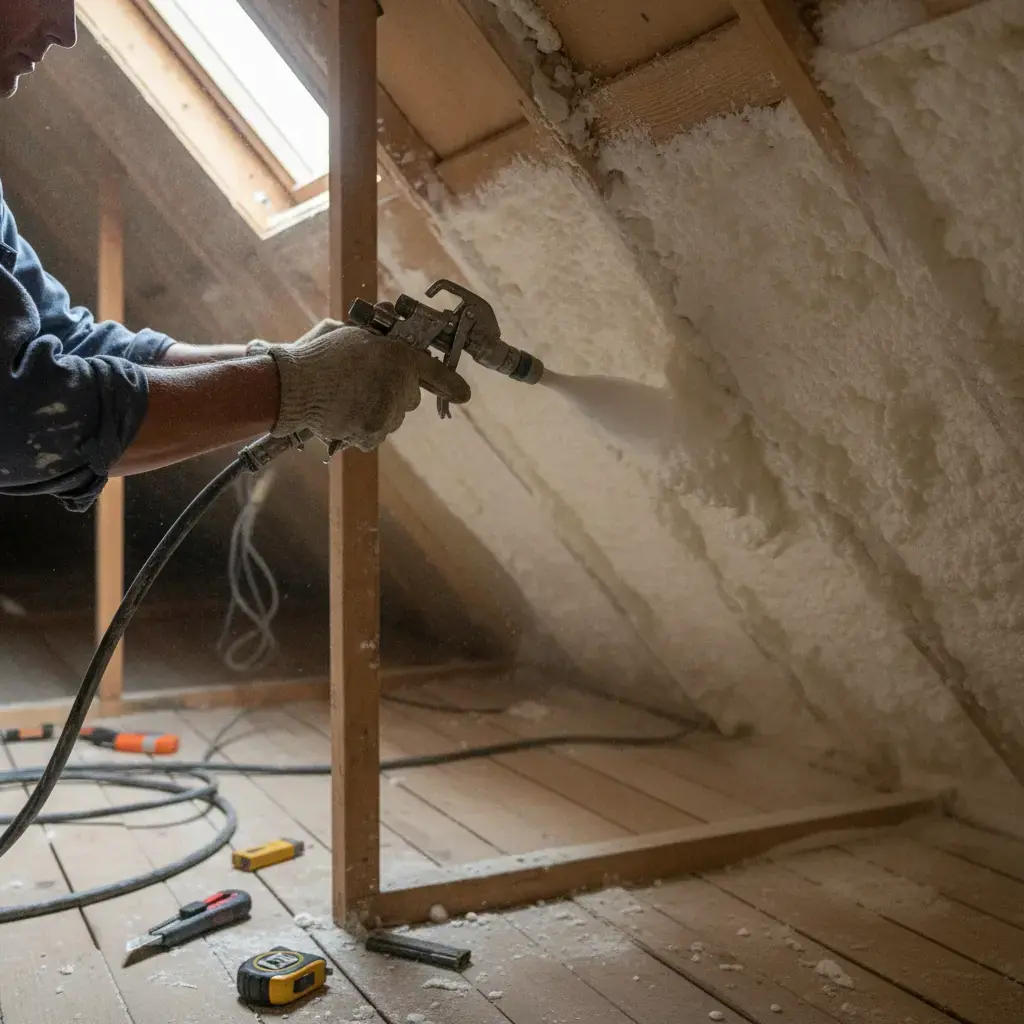
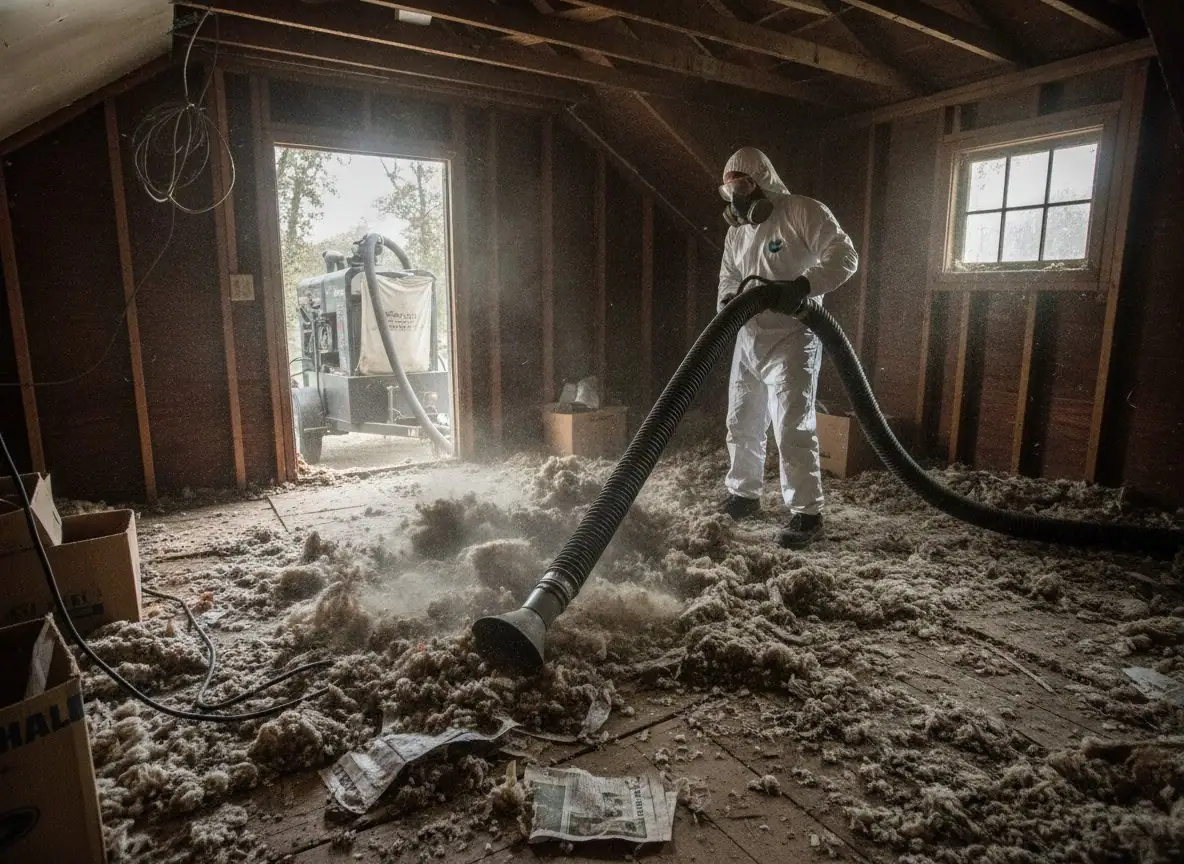
We safely remove and bag all existing deteriorated insulation materials using HEPA-filtered vacuum equipment. This is particularly important in pre-1980 Dana Point homes where old fiberglass batts may have absorbed coastal moisture and lost significant R-value
- 05
Air Sealing (Day 1 of Installation)
Before installing any new insulation, we seal all penetrations, top plates, recessed light fixtures, and attic bypass points with code-compliant fire-rated sealants. Air sealing can improve overall energy performance by 15 to 25% beyond insulation alone.
- 06
Rockwool Installation (Day 1–2 Depending on Scope)
We cut and fit Rockwool batts precisely to each stud and joist cavity, ensuring full contact without compression or gaps. In coastal-facing exterior walls, we orient batts to account for prevailing onshore wind pressure patterns common along the Dana Point wat
- 07
Final Inspection and Documentation
We coordinate the City of Dana Point building inspection when required and provide you with a complete installation record including product data sheets, R-value certifications, and photo documentation for your homeowner records and future resale disclosure pu
Rockwool Insulation Methods and Approaches
Rockwool Batt Installation
The most common method for attic floor joists, exterior wall cavities, and interior partition walls. Rockwool batts are available in standard widths of 15 and 23 inches to fit 16-inch and 24-inch on-center framing. This method is ideal for Dana Point homes undergoing full attic insulation upgrades or room additions where wall cavities are open. Learn more about our attic insulation services
Rockwool Continuous Rigid Board
Rockwool ComfortBoard rigid mineral wool panels are installed as a continuous exterior or interior insulation layer to eliminate thermal bridging through framing members. This approach is increasingly specified for Dana Point coastal homes undergoing full exterior re-cladding, meeting the Title 24 Climate Zone 6 requirement for R-5 continuous insulation in new construction assemblies.
Rockwool Safe ‘n’ Sound for Interior Partitions
A lower-density Rockwool product optimized for sound control between interior rooms and floors. Particularly popular in Dana Point condominium associations and townhome communities in the Capistrano Beach area, where party-wall sound transmission is a common resident complaint.
Hybrid Rockwool and Spray Foam Assembly
For unvented attic assemblies and crawl spaces with extreme moisture exposure, we combine closed-cell spray foam at the air barrier layer with Rockwool batts for additional R-value. This hybrid approach is often the most cost-effective path to achieving high R-values in tight attic spaces. Explore our spray foam insulation services
Blow-In Rockwool (Mineral Wool Loose Fill)
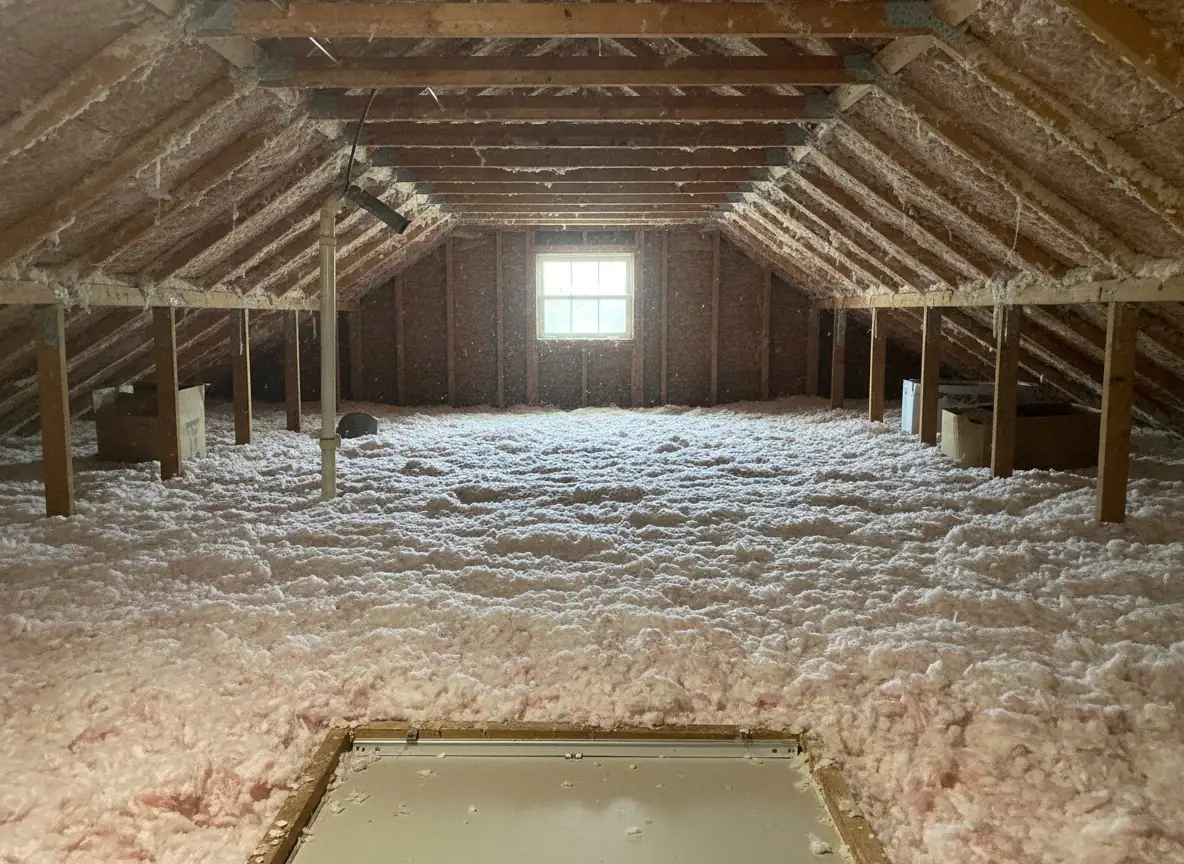
Loose-fill mineral wool can be blown into existing attic spaces over existing insulation to bring total R-value to code-minimum R-38. This approach minimizes disruption and is ideal for Dana Point homeowners who want to upgrade without a full attic cleanout. View our blow-in insulation options
Rockwool Insulation Cost in Dana Point, CA
Understanding the investment required for Rockwool insulation helps Dana Point homeowners plan appropriately and evaluate quotes accurately. Below are typical cost ranges for common project scopes in the South Orange County market.
Typical Project Cost Ranges
- Attic Rockwool batt installation (1,000–1,500 sq ft attic floor): $1,800 – $3,500 including removal of old insulation and air sealing
- Exterior wall Rockwool batt installation (per room during renovation): $400 – $900 per room depending on wall linear footage and accessibility
- Rockwool rigid board continuous insulation (exterior application): $3.50 – $6.00 per square foot installed, depending on board thickness and cladding system
- Interior partition Rockwool Safe ‘n’ Sound (per room): $300 – $700 per partition wall
- Full home insulation upgrade (2,000 sq ft Dana Point home): $4,500 – $9,000 depending on existing conditions and scope
Read moreShow less
Factors Affecting Rockwool Insulation Cost in Dana Point
- Existing insulation removal: Coastal moisture damage to existing insulation often increases removal costs by $300 – $800 compared to inland properties
- Attic accessibility: Dana Point’s hillside homes and split-level properties frequently have restricted attic access points that increase labor time
- Permit fees: City of Dana Point building permit fees for residential insulation typically range from $150 to $350
- R-value specification: Higher R-value assemblies require more material and increase material costs proportionally
Rockwool insulation costs approximately 20 to 30% more per square foot than standard fiberglass batts, but the improved moisture resistance, fire performance, and longevity make it a strong long-term value for coastal Dana Point properties. California utility rebates through Southern California Edison’s Home Energy Efficiency Programs may offset a portion of project costs — ask us for current rebate eligibility details.
Rockwool Insulation Neighborhoods We Serve in Dana Point
Lantern District
Dana Point’s historic downtown core features a mix of mid-century commercial buildings converted to mixed-use residential, 1960s single-family bungalows, and newer infill developments. Homes here often have original fiberglass insulation from their 1960s construction that has compacted to half its original thickness over 60 years, delivering R-values as low as R-7 in wall cavities. Rockwool retrofits are particularly impactful here. Learn about our insulation removal services
Capistrano Beach
The Capistrano Beach neighborhood along Doheny State Beach features dense condominium complexes built primarily between 1972 and 1988, many of which have party-wall insulation that no longer meets current sound or thermal standards. Rockwool Safe ‘n’ Sound retrofits are a frequent request from HOA boards managing noise complaints between units.
Baby Beach and Dana Point Harbor Area
Properties immediately adjacent to Dana Point Harbor face the most intense salt-air and marine layer exposure of any neighborhood in the city. The combination of saltwater spray, year-round coastal humidity, and close proximity to harbor boat traffic makes Rockwool’s corrosion-resistant, hydrophobic composition especially well-matched to these homes.
Strand Beach (Del Mar Beach)
Luxury custom homes along Strand Beach Drive are among the most valuable residential properties in South Orange County. These homes demand premium insulation specifications, and Rockwool’s combination of fire resistance, acoustics, and thermal performance aligns well with the high-specification building assemblies typical of this neighborhood.
Maintenance Tips for Rockwool Insulation in Dana Point
Rockwool insulation is highly durable and requires minimal maintenance, but a few location-specific practices will help maximize its lifespan and performance in Dana Point’s coastal environment.
- Annual attic inspection: Check your attic each fall before the rainy season for signs of roof leaks that could wet Rockwool batts. While Rockwool dries out effectively, prolonged saturation from active roof leaks should be addressed promptly.
- Maintain attic ventilation: Ensure soffit vents and ridge vents remain clear of debris. Dana Point’s coastal winds deposit salt, dust, and organic matter that can block ventilation pathways over time.
- Inspect crawl space annually: Dana Point’s hillside properties often have vented crawl spaces vulnerable to moisture intrusion during winter storm events. Check for standing water or condensation each spring. Learn about crawl space insulation
- Seal new penetrations promptly: Any new plumbing, electrical, or HVAC penetrations through insulated assemblies should be sealed immediately with fire-rated caulk to maintain air barrier continuity.
- Monitor HVAC filter condition: Improved insulation reduces HVAC runtime, but coastal salt air can still accelerate filter loading — check filters every 60 days for homes near the harbor.
- Check weatherstripping annually: Insulation performance depends on a complete building envelope — worn door and window weatherstripping undermines Rockwool’s thermal benefits and should be replaced as needed.
- Document your insulation: Keep your Green Zone installation records on file for Title 24 compliance documentation and future real estate disclosure requirements under California law.
Why Choose Green Zone Attic Insulation for Rockwool Installation in Dana Point
Green Zone Attic Insulation is a locally focused insulation contractor serving Dana Point and the broader South Orange County region. Our technicians work in coastal California communities every day — we understand the specific challenges that Pacific marine layer moisture, salt-air exposure, Title 24 compliance requirements, and California’s WUI wildfire regulations create for insulation performance and selection.
We specialize exclusively in insulation services, meaning every member of our team is trained and experienced specifically in insulation science, building envelope performance, and product selection — not as a secondary trade added to a general contracting operation. We install Rockwool products in compliance with manufacturer specifications and California Building Code requirements, ensuring your installation will pass city inspection and perform as warranted by the manufacturer.
Read moreShow less
Our service area covers Dana Point and all of South Orange County, including Laguna Beach, San Clemente, San Juan Capistrano, Laguna Niguel, Mission Viejo, and beyond. We bring the same coastal-specific expertise to every project, regardless of neighborhood or building type.
Contact Green Zone Attic Insulation at (949) 749-5633 to schedule your free on-site assessment. We respond to all Dana Point inquiries within one business day.
FAQ
Frequently Asked Questions: Rockwool Insulation in Dana Point, CA
How much does Rockwool insulation cost in Dana Point, CA?
Typical Rockwool insulation project costs in Dana Point range from $1,800 to $3,500 for a standard attic upgrade in a 1,000 to 1,500 square foot attic, including removal of old insulation, air sealing, and installation. Full home insulation upgrades for a 2,000 square foot Dana Point home typically range from $4,500 to $9,000 depending on the scope and existing conditions. Rockwool costs approximately 20 to 30% more than standard fiberglass but offers significantly better moisture resistance and fire performance for coastal properties.
Is Rockwool insulation better than fiberglass for Dana Point homes?
For most Dana Point homeowners, Rockwool offers meaningful advantages over fiberglass. Its hydrophobic composition resists moisture absorption during June Gloom marine layer events, its non-combustible stone composition provides Class A fire resistance valuable in our WUI-adjacent location, and its higher density delivers better sound attenuation — particularly useful near Pacific Coast Highway or Dana Point Harbor. The higher upfront cost is generally justified by longer service life in coastal conditions.
Does Rockwool insulation require a permit in Dana Point?
Whether a permit is required depends on the scope of the project. Attic insulation additions that do not involve structural work or HVAC modifications may qualify as permit-exempt under California residential building code. However, full insulation replacement projects or any work triggering Title 24 compliance calculations typically require a permit from the City of Dana Point Community Development Department. Green Zone Attic Insulation assesses permit requirements for every project and handles permit applications on your behalf.
How long does Rockwool insulation last in a coastal climate like Dana Point?
Rockwool insulation is rated for the lifetime of the building when properly installed and protected from direct water intrusion. Unlike fiberglass, which can deteriorate within 15 to 20 years in high-humidity coastal environments, Rockwool’s inorganic stone fiber composition does not degrade from moisture exposure, salt air, or mold. Properly installed Rockwool in a Dana Point home should maintain its rated R-value for 50 years or more.
Can Rockwool insulation help with noise from Pacific Coast Highway?
Yes. Rockwool’s density and fibrous composition provide meaningful sound absorption and sound transmission class (STC) improvements compared to standard fiberglass. For Dana Point homes near Pacific Coast Highway, Rockwool batt installation in exterior wall cavities combined with upgraded window sealing can reduce traffic noise intrusion noticeably. Rockwool Safe ‘n’ Sound batts are specifically formulated for maximum acoustic performance in interior partition applications.
What is the R-value requirement for Dana Point homes under Title 24?
Dana Point falls within California Climate Zone 6 under Title 24, Part 6. Current 2022 code minimums require R-38 ceiling/attic insulation and R-13 plus R-5 continuous wall insulation for new construction and qualifying renovations. Many existing Dana Point homes built before 1990 have attic insulation well below these thresholds. Upgrading to Rockwool is one of the most effective paths to achieving compliance.
Do you serve areas near Dana Point, such as Laguna Beach and San Clemente?
Yes. Green Zone Attic Insulation serves all of South Orange County, including Laguna Beach, San Clemente, San Juan Capistrano, Laguna Niguel, Mission Viejo, Aliso Viejo, Irvine, Newport Beach, Ladera Ranch, Rancho Santa Margarita, Lake Forest, Laguna Hills, and Laguna Woods. Our team travels throughout the region with the same coastal-specific expertise we bring to every Dana Point project.
How long does a typical Rockwool insulation installation take in Dana Point?
Most residential Rockwool installations in Dana Point are completed in one to two days. A standard attic insulation upgrade — including removal of old insulation, air sealing, and installation of new Rockwool batts — typically takes one full day for a 1,000 to 1,500 square foot attic. Larger projects involving multiple zones (attic, walls, and crawl space) may require two days. Permit procurement, when required, adds two to five business days before installation begins.
Get Your Free Rockwool Insulation Estimate in Dana Point Today
Don’t let Dana Point’s coastal humidity, June Gloom moisture, or rising Southern California Edison bills compromise your home’s comfort and efficiency any longer. Green Zone Attic Insulation is ready to provide a free, no-obligation on-site assessment and written Rockwool insulation proposal for your Dana Point property.
Our team serves Dana Point and all of South Orange County — from Laguna Beach to San Clemente — with coastal-specific expertise and a commitment to code-compliant, long-lasting installations.
Call us now at (949) 749-5633 to schedule your free assessment. We respond to all Dana Point inquiries within one business day and offer convenient scheduling to fit your calendar.
Request a Free Quote Online
Get in touch
Find insulation help near you
Request a free estimate online or give us a call — our team will follow up quickly.
- Call us(949) 749-5633
- Visit24642 San Juan Ave, Dana Point, CA 92629
- HoursMon-Sun 07:00-19:00