Crawl Space Encapsulation in Dana Point, CA
Professional Crawl Space Encapsulation in Dana Point, CA in Dana Point, CA — Licensed, Insured & Locally Owned
Get expert crawl space encapsulation in Dana Point, CA. Green Zone Attic Insulation protects coastal homes from marine humidity & moisture. Call 949-749-5633.
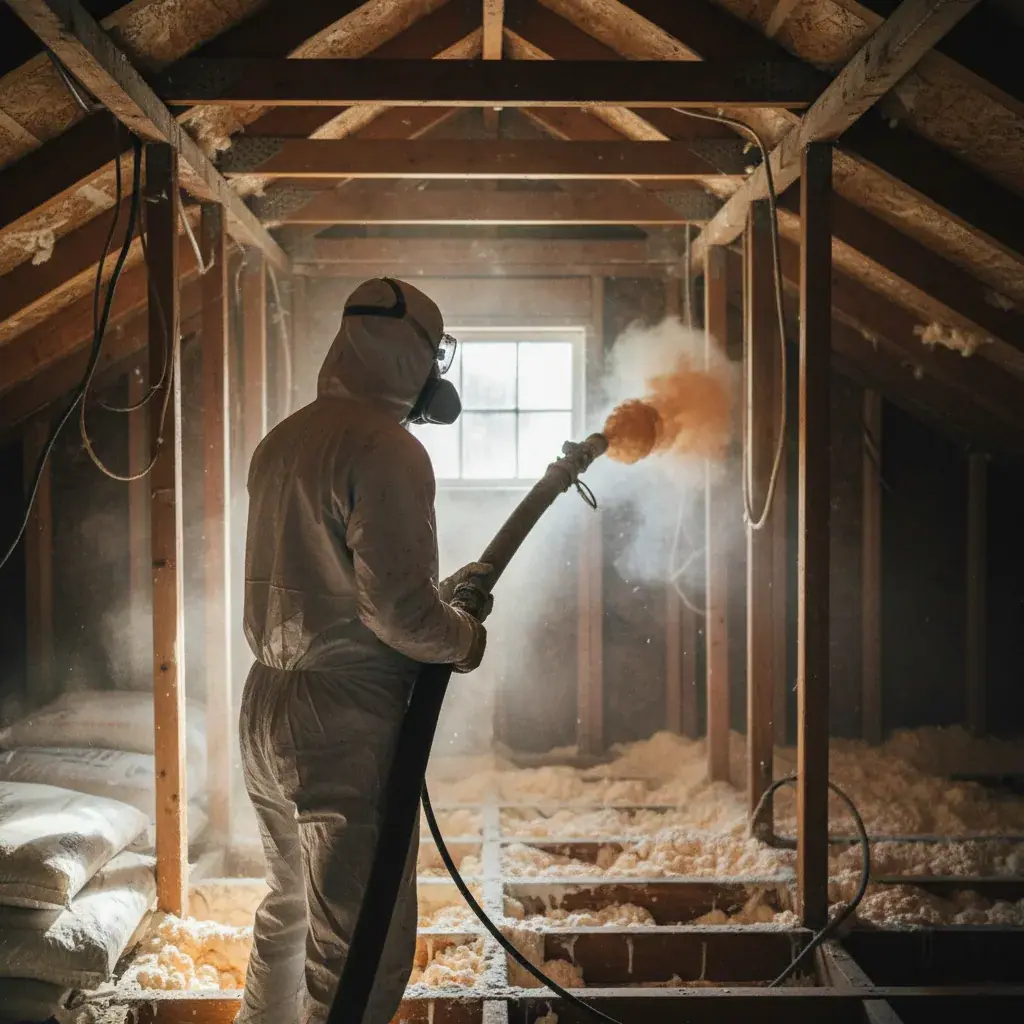
Crawl space encapsulation is the process of sealing your home’s crawl space with a heavy-duty vapor barrier, moisture-resistant insulation, and conditioned airflow controls to prevent humidity, mold, and structural damage from taking hold beneath your living areas. In Dana Point, CA — where ocean air rolls in off the Pacific daily, salt-laden breezes accelerate moisture infiltration, and marine layer fog can linger for weeks at a time — unprotected crawl spaces are especially vulnerable to the kinds of hidden damage that cost homeowners thousands of dollars to repair.
At Green Zone Attic Insulation, we specialize in professional crawl space encapsulation services designed specifically for the coastal Southern California environment. Our team understands the microclimates, soil conditions, and building styles unique to Dana Point, and we bring that local knowledge to every project we complete. If you’re noticing musty odors, cold floors, or rising energy bills, your crawl space may be working against you. Call us today at 949-749-5633 to schedule a free inspection.
Understanding Crawl Space Encapsulation
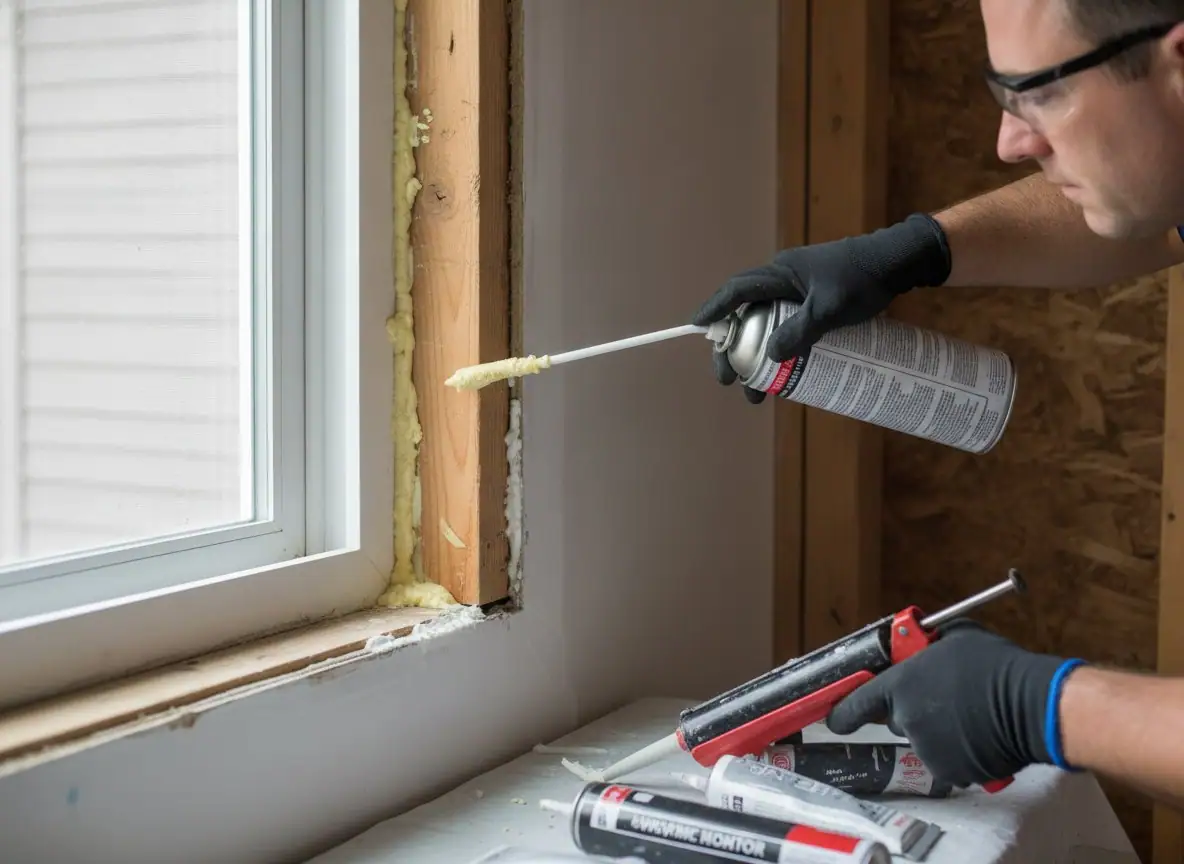
A crawl space is the shallow, unfinished area beneath many homes that provides access to plumbing, electrical wiring, HVAC ducts, and the structural framing of the building. In homes constructed before modern building codes standardized foundation design, crawl spaces were typically left open or covered only with basic plastic sheeting — a method that was widely considered sufficient for decades but is now understood to be woefully inadequate in moisture-prone environments.
Crawl space encapsulation evolved as a building science solution in the late 1990s and early 2000s, when researchers began documenting the “stack effect” — the natural movement of air upward through a home, which means that air quality and moisture levels in a crawl space directly influence the air you breathe on the first floor and beyond. Encapsulation goes far beyond simply laying plastic on a dirt floor. A true encapsulation system includes:
Read moreShow less
- A 10–20 mil reinforced polyethylene vapor barrier sealed to foundation walls and piers
- Rigid foam board or spray foam insulation applied to foundation walls
- Sealing of all vents, gaps, and penetrations
- A dehumidifier or conditioned air supply to manage relative humidity
- Drainage systems when standing water is present
In Dana Point, the majority of single-family homes were built between the 1950s and the 1990s, many of them featuring raised foundations with vented crawl spaces — a design that made sense in drier inland climates but creates persistent problems along the coast. The combination of marine-influenced humidity, cool nighttime temperatures that cause condensation, and the salt air that accelerates material degradation makes these older crawl space designs particularly problematic for Dana Point homeowners.
Modern encapsulation transforms a damp, pest-inviting crawl space into a clean, dry, conditioned environment that protects your home’s structure, improves indoor air quality, and reduces heating and cooling costs year-round. Learn more about our crawl space insulation services to understand how encapsulation and insulation work together for maximum efficiency.
Why Crawl Space Encapsulation Is Needed in Dana Point, CA
Marine Layer and Coastal Humidity
Dana Point sits along the Pacific Coast Highway corridor, bordered by the Pacific Ocean to the southwest and the San Juan Hills to the northeast. The city experiences a classic Southern California coastal climate, but with more intense marine influence than inland communities like Mission Viejo or San Clemente’s eastern neighborhoods. During June Gloom — the annual marine layer pattern that typically runs from late May through early July — relative humidity in Dana Point regularly climbs above 85%, with fog persisting through noon or later on many days. This sustained high humidity seeps into unprotected crawl spaces and raises moisture content in wood framing above the 19% threshold at which mold and fungal growth become active concerns.
Salt Air Corrosion and Degradation
Homes within roughly one mile of the Dana Point Harbor and Doheny State Beach — including much of the Lantern District and the neighborhoods along Del Obispo Street — are exposed to elevated salt concentrations in the air. Salt accelerates the oxidation of metal fasteners, pier supports, and HVAC components in crawl spaces. It also degrades standard plastic vapor barriers more rapidly than non-coastal environments. This is why we use commercial-grade, UV-stabilized polyethylene barriers rated for coastal applications on all Dana Point projects.
Clay-Heavy Soils and Ground Moisture
Much of Dana Point is underlain by the Capistrano Formation — a mix of silty clay and fine-grained sandstone that retains moisture effectively. After rain events, which typically deliver 12–14 inches annually in the city, these clay-rich soils hold water and release it slowly upward through evaporation directly into crawl spaces. The wet seasons of 2022–2023, when Dana Point recorded nearly 18 inches of rainfall — well above the historical average — left many homeowners discovering standing water and saturated wood in crawl spaces that had seemed fine for years.
Building Stock and Foundation Age
A significant portion of Dana Point’s housing stock was built between 1960 and 1985, particularly in neighborhoods like Capistrano Beach and Dana Knolls. Homes of this era were typically built with vented crawl space foundations per then-standard code, but the venting philosophy has been largely discredited for coastal climates. Vented crawl spaces in Dana Point actually introduce more humid outside air than they exhaust, worsening moisture conditions rather than improving them — exactly the opposite of their intended purpose.
Wildfire Smoke and Air Quality Events
While less frequent than moisture concerns, Dana Point crawl spaces are also vulnerable to particulate infiltration during Southern California wildfire events. The 2020 Silverado Fire, which burned to the northeast of Dana Point, pushed smoke and ash particles into crawl spaces through foundation vents, contaminating insulation and degrading air quality in affected homes for months afterward. Encapsulation seals these pathways, providing an additional layer of protection during future air quality emergencies.
Free, no-obligation estimates
Talk to Green Zone Attic Insulation
Tell us what you need and we’ll take it from there.
Signs You Need Crawl Space Encapsulation in Dana Point
Moisture and Odor Indicators
- Musty or earthy smell noticeable in first-floor rooms, especially in the morning after cool nights
- Visible condensation on water pipes or HVAC ducts beneath the home
- Standing water or damp soil visible through crawl space access hatch
- White mineral deposits (efflorescence) on foundation walls indicating water migration
Structural Warning Signs
- Soft, springy, or noticeably bouncy floors — particularly common in older Dana Point homes with 2×8 or 2×10 floor joists
- Visible mold, dark staining, or fuzzy growth on wood beams or subfloor
- Deteriorating or falling fiberglass batt insulation hanging from between joists
- Rusted metal components, including strapping, hangers, or HVAC equipment
Energy and Comfort Symptoms
- Cold floors in winter months despite adequate heating
- Unexplained spikes in heating or cooling costs
- Uneven temperatures between ground floor rooms and upper levels
Pest and Air Quality Concerns
- Evidence of rodents, insects, or pest activity beneath the home
- Allergy symptoms that worsen at home, suggesting mold spore infiltration
If you’re experiencing two or more of these symptoms, contact Green Zone Attic Insulation at 949-749-5633 for an urgent inspection. Explore our rodent proofing services for comprehensive crawl space protection.
Crawl Space Encapsulation Methods We Use in Dana Point
Full Encapsulation with Conditioned Air Supply
The most comprehensive approach, this method seals the crawl space completely and connects it to the home’s HVAC system, supplying a small volume of conditioned air to maintain stable temperature and humidity. Best suited for larger Dana Point homes in Monarch Beach and Niguel Shores where crawl space volumes are significant and HVAC systems have adequate capacity.
Full Encapsulation with Dedicated Dehumidifier
For homes where connecting to the HVAC system is impractical, a dedicated crawl space dehumidifier handles humidity control independently. This is our most commonly installed solution in Dana Point and is ideal for homes in Capistrano Beach and Dana Knolls with older HVAC systems.
Vapor Barrier Only (Partial Encapsulation)
In some cases where budgets are constrained or moisture levels are moderate, a high-quality vapor barrier installation without full wall insulation provides meaningful protection. We typically recommend this as a first phase with a plan to complete full encapsulation within one to two seasons. Not recommended for properties within two blocks of Dana Point Harbor.
Spray Foam Foundation Wall Encapsulation
Closed-cell spray foam applied to foundation walls provides both insulation (R-6 per inch) and an air and vapor barrier in a single material. Learn more about our spray foam insulation services. This method is preferred when foundation walls are irregular or when maximum R-value per inch is required.
Drainage-First Encapsulation
For Dana Point properties with chronic water intrusion — particularly those in lower-elevation areas near Doheny Village — we install an interior French drain and sump system prior to vapor barrier installation, ensuring the encapsulation system performs as intended even in heavy rain seasons.
Crawl Space Encapsulation Cost in Dana Point, CA
Understanding the investment involved helps Dana Point homeowners plan appropriately. Here is a transparent breakdown of typical costs in our local market:
Typical Price Ranges
- Basic vapor barrier installation only: $1,500 – $3,500 for an average 800–1,200 sq ft crawl space
- Full encapsulation (vapor barrier + wall insulation + vent sealing): $4,000 – $8,500
- Full encapsulation with dehumidifier: $5,500 – $10,000
- Full encapsulation with drainage system: $7,000 – $15,000+ depending on drainage complexity
- Spray foam wall encapsulation (premium): Add $1,500 – $4,000 to base encapsulation cost
Factors That Affect Dana Point Pricing
- Crawl space height: Spaces under 18 inches require specialized equipment and labor, which is common in pre-1970 Dana Point homes and adds 15–25% to labor costs
- Existing moisture damage: Mold remediation or structural repairs prior to encapsulation add $500–$5,000 depending on severity
- Coastal material upgrades: Salt-resistant barrier materials and hardware for harbor-adjacent properties add approximately $300–$800
- Access difficulty: Homes on steep lots — prevalent in Dana Knolls and Monarch Bay Terrace — may require additional labor for equipment staging
Read moreShow less
Return on Investment
Dana Point homeowners typically see energy bill reductions of 10–20% following full encapsulation, and the improvement in indoor air quality and structural protection adds measurable value to property — an important consideration in a real estate market where median home prices in Dana Point exceed $1.5 million.
Call 949-749-5633 for a free, no-obligation cost estimate specific to your home.
Dana Point Neighborhoods We Serve
Capistrano Beach
Located at the southern end of Dana Point, Capo Beach features a mix of 1950s–1970s beach cottages and newer custom homes. Older homes in this neighborhood frequently have shallow, vented crawl spaces with original fiberglass batt insulation that has degraded significantly from decades of salt air exposure. Crawl space heights here often fall below 24 inches, requiring our low-clearance equipment and techniques.
Dana Knolls
This inland hillside neighborhood features primarily 1960s–1980s tract homes with raised foundations. The elevated terrain means good drainage but also exposure to prevailing onshore winds that push marine air directly into foundation vents. Many Dana Knolls homeowners report cold first-floor tiles in winter — a direct symptom of uninsulated, vented crawl spaces.
Lantern District
The Lantern District’s proximity to Dana Point Harbor — within half a mile for many blocks — makes it one of the highest-priority encapsulation zones in the city. Mixed residential and commercial zoning means building types vary widely, from 1970s condominiums to newer townhomes, each with different crawl space configurations.
Monarch Beach and Niguel Shores
These upscale coastal communities feature larger custom homes, many built in the 1980s–2000s. Crawl space square footage is typically greater in these homes, increasing encapsulation project scope and cost but also increasing the energy savings realized after completion.
Crawl Space Maintenance Tips for Dana Point Homeowners
- Inspect your vapor barrier annually — Check every spring after the rainy season for tears, displaced sections, or areas where the barrier has pulled away from foundation walls. Even small gaps allow moisture infiltration.
- Monitor your dehumidifier monthly — Empty the collection tank or confirm that the condensate drain line is flowing freely. Replace filters per manufacturer recommendations, typically every six to twelve months.
- Check relative humidity readings seasonally — During June Gloom (May–July), verify that your dehumidifier is maintaining humidity below 55%. This is the period of greatest moisture stress for Dana Point crawl spaces.
- Keep gutters and downspouts clear — Clogged gutters overflow near foundations, overwhelming drainage systems. Dana Point’s eucalyptus trees and coastal shrubs shed debris that accumulates quickly.
- Inspect crawl space access doors for seal integrity — The access hatch is a common weak point. Ensure the door gasket is intact and the latch closes tightly.
- Check for pest activity after wet weather — Rodents and insects seek dry shelter during and after rain events. Our rodent proofing services can seal entry points permanently.
- Do not store materials in the crawl space — Cardboard, wood scraps, and organic materials in an encapsulated crawl space provide food sources for pests and mold, even in a controlled environment.
Why Choose Green Zone Attic Insulation for Crawl Space Encapsulation in Dana Point
Green Zone Attic Insulation is a professional insulation contractor built around serving coastal Southern California homeowners. We understand that the conditions in Dana Point — the marine layer, the salt air, the clay soils, and the older housing stock — require a different level of expertise and material selection than inland markets. Our team is trained specifically on the building science of coastal crawl space performance, and we do not take a one-size-fits-all approach to any project.
We offer a comprehensive range of services that complement crawl space encapsulation, including attic insulation, blown-in insulation, fiberglass insulation, insulation removal, and attic cleaning, allowing Dana Point homeowners to address their entire home envelope with a single trusted contractor.
Read moreShow less
Our work is backed by transparent pricing, honest assessments, and a commitment to doing the job right the first time. We do not recommend services you do not need, and we will tell you honestly when a simpler solution will solve your problem. Call us at 949-749-5633 — we are ready to help protect your Dana Point home.
FAQ
Frequently Asked Questions: Crawl Space Encapsulation in Dana Point, CA
How much does crawl space encapsulation cost in Dana Point?
In Dana Point, a full crawl space encapsulation typically costs between $4,000 and $10,000 depending on crawl space size, existing moisture conditions, and whether a dehumidifier is included. Homes near the harbor or Doheny State Beach may require coastal-grade materials that add a modest premium. We provide free, itemized estimates with no obligation.
How long does the encapsulation process take?
Most Dana Point crawl space encapsulation projects are completed in two to three days. Larger spaces, or those requiring drainage work, mold remediation, or significant debris removal, may take three to five days. We provide a clear timeline before work begins and respect your schedule.
Will encapsulation really make a difference in my Dana Point home?
Yes — and particularly so in Dana Point. The combination of marine humidity, salt air, and older building stock in this city creates above-average crawl space moisture stress. Homeowners consistently report improvements in indoor air quality, warmer first-floor temperatures in winter, and measurable reductions in heating and cooling costs following encapsulation.
Do I need to encapsulate if my crawl space already has plastic sheeting?
Standard 6-mil plastic sheeting — which was the common installation in Dana Point homes built before 2000 — is insufficient for coastal conditions. It tears easily, does not cover wall surfaces, and does not seal foundation vents. A proper encapsulation using 12–20 mil reinforced material with sealed wall coverage is a significant upgrade with substantially better performance.
Is crawl space encapsulation required by California building code?
California’s Title 24 energy code and the California Residential Code address crawl space moisture control in new construction, and many local jurisdictions are increasingly requiring encapsulation-standard conditions in permitted remodels and additions. While encapsulation may not be mandatory for existing Dana Point homes, it is strongly recommended by building scientists for any coastal California property.
How does encapsulation affect pest problems?
A properly encapsulated crawl space is significantly less hospitable to rodents, termites, and insects than an open or vented one. The sealed vapor barrier eliminates the moist soil environment that attracts pests, and vent sealing eliminates key entry points. We recommend pairing encapsulation with our rodent proofing service for complete protection.
Will encapsulation cause any moisture problems in the crawl space itself?
Not when done correctly. The key is including active humidity control — either a crawl space dehumidifier or a conditioned air supply — as part of the system. Without humidity control, sealing a crawl space can trap moisture. This is why we always include humidity management in our encapsulation systems, and it is a critical differentiator from less thorough contractors.
Do you serve all of Dana Point, including Capistrano Beach?
Yes. We serve the entire city of Dana Point, including Capistrano Beach, Dana Knolls, the Lantern District, Monarch Beach, Niguel Shores, Palisades, and all adjacent communities. Call 949-749-5633 to confirm service availability for your address and schedule your free inspection.
Get a Free Crawl Space Encapsulation Estimate in Dana Point Today
Your Dana Point home deserves protection built for coastal California — not generic solutions designed for dry inland climates. Green Zone Attic Insulation provides expert crawl space encapsulation services tailored to the marine humidity, salt air, and building conditions unique to Dana Point and its neighborhoods.
Whether you’re in Capistrano Beach, the Lantern District, Dana Knolls, or Monarch Beach, our team is ready to inspect your crawl space, provide an honest assessment, and deliver a detailed, no-obligation estimate. Don’t let moisture silently damage your home’s structure and air quality another season.
Call us today at 949-749-5633 to schedule your free crawl space inspection in Dana Point, CA. Protect your investment. Breathe easier. Start with Green Zone Attic Insulation.
Get in touch
Find insulation help near you
Request a free estimate online or give us a call — our team will follow up quickly.
- Call us(949) 749-5633
- Visit24642 San Juan Ave, Dana Point, CA 92629
- HoursMon-Sun 07:00-19:00